20% OFF shipping at turkiyecamihalisi.com on orders over $79 + up to 10% OFF products
/eh/2025-01-08/173633966714069467/picture.png)

/eh/2024-12-24/173503345348979036/Favorite-Icon.png)
/eh/2025-07-08/1751962110204480194/picture.png)
/eh/2025-06-21/1750485478958537574/countryInfoIcon.png)
/eh/2025-06-21/1750485741321434291/Hi-Sign-in-My-Nihao.png)
/eh/2025-06-21/1750485837193896318/cart.png)
/eh/2025-06-21/1750485968202533847/cart.png)
/eh/2025-04-17/1744862476612819675/hot-img.png)
/eh/2025-11-07/1762504524550532584/header-icon.jpg)
/eh/2025-07-07/1751875582852206790/header-icon.png)
/eh/2025-07-07/1751875587886277738/header-icon.png)


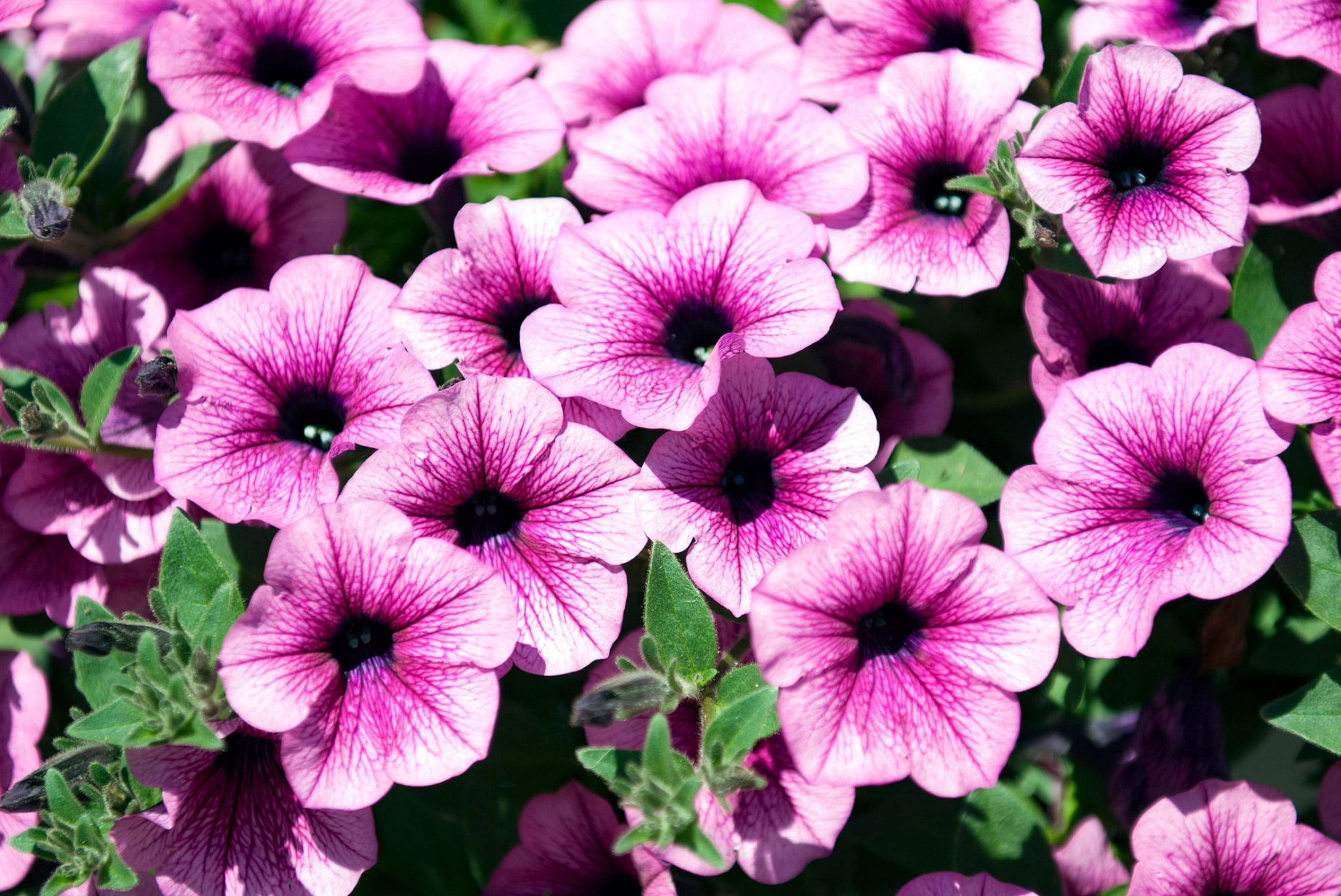
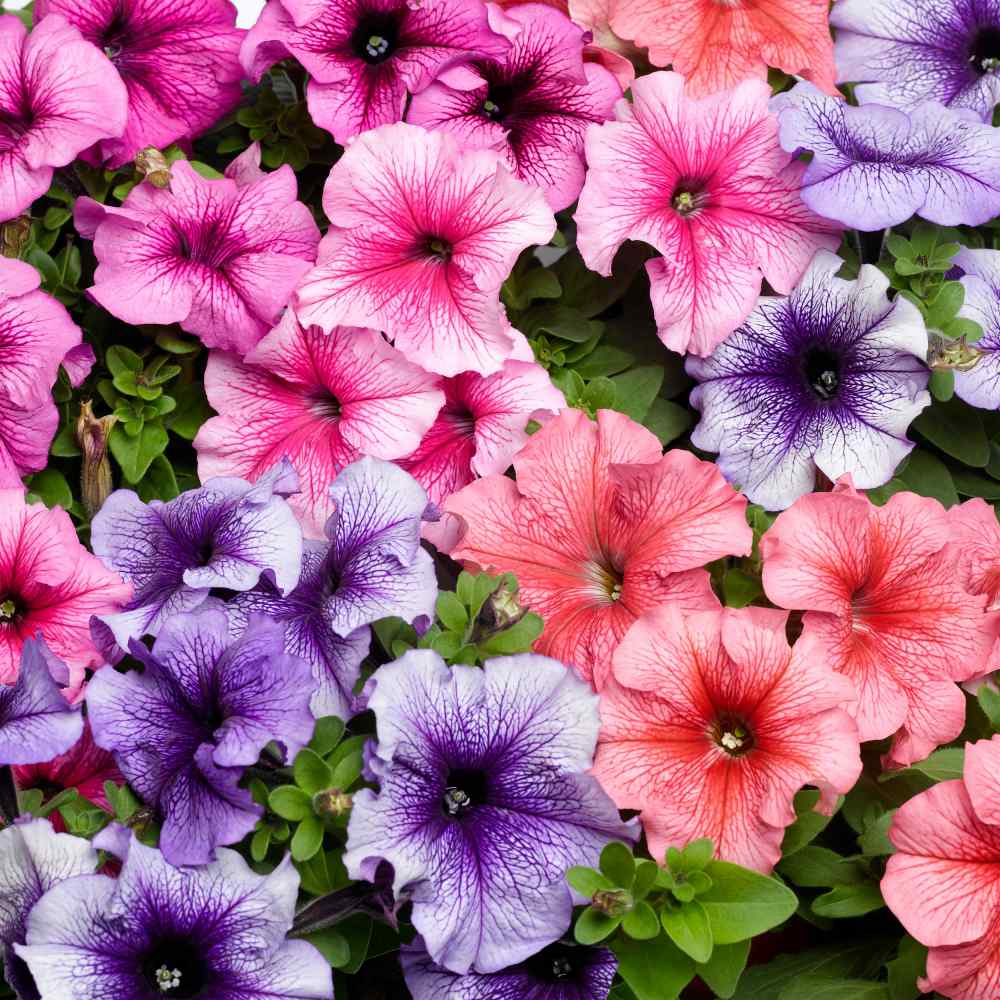

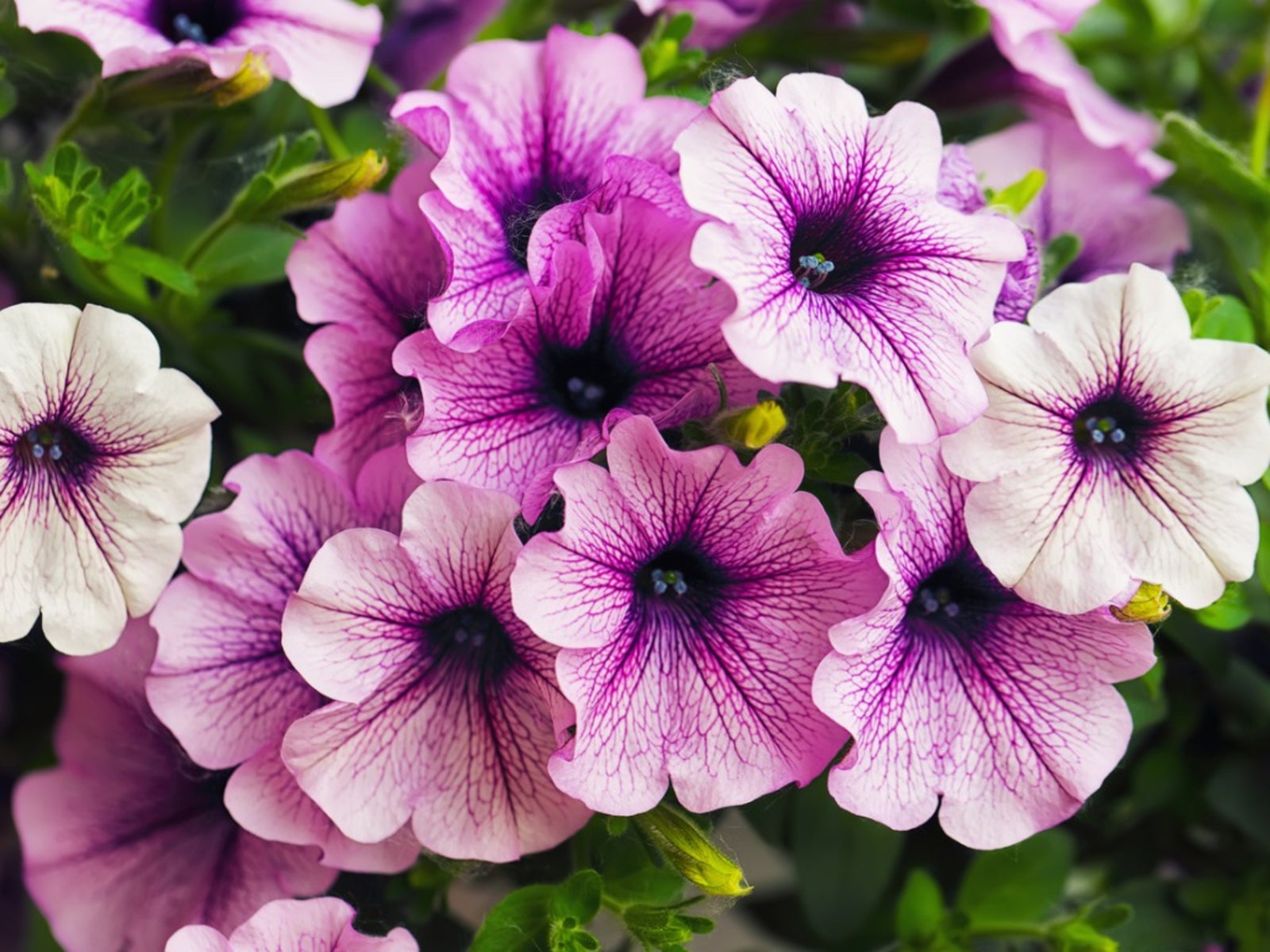
download picture
description
Close Up Photography of Purple Petunia Flowers Free Stock Photo Petunia hybrida Petunia Good and Plenty Green Fuse Botanicals Inc. Planting Instructions for Petunia Flower Seeds Petunia's Floral Symbolism: A Tale of Emotion and Meaning Petal Republic 12 Best Plants for Container Gardens Petunia plant, Beautiful flowers Petunia Seeds Valentine (pelleted). 98 105 days. Valentine petunia seeds grow one of the most feathery, refreshing, and unique blooms you'll find in any garden. The Valentine petunia boasts lush and ruffled 4" blooms in a special "Valentines Day" blend of velvety crimsons, cherries, and reds. Valentine petunia seeds are an ideal grow as an edging to a flower bed, walkway, or fencing, but small enough to thrive indoors or hanging from the porch. Valentine seeds promise an exciting and bright substitute to the traditional petunia to liven up any seasonal basket, bouquet, or centerpiece. 1000 pelleted seeds. Growing Valentine Petunia Garden Seeds Taxonomy: Petunia x hybrida Other Names: Grandiflora Double Petunia Seed Type: Annual (Perennial in zones 10 11) Sow Indoors or Outdoors: For earliest blooming, start Valentine petunia seeds indoors 10 12 weeks before the final frost and transplant once there are two sets of true leaves. Valentine seeds will germinate within 14 days with full lighting. If transplanting outside, harden off seedlings into a partially shaded spot in the garden, or an equally moderate place indoors. Days to Maturity: 98 105 days Hardiness Zone: 6 11 Planting Depth: Plant 2 3 seeds deep Plant Spacing: 10 14 Growth Habit: 10 15 tall mounding upright with an 10 12 spread of lush and feathered fully double 4 blooms Soil Preference: Average, medium moist, well drained Light Preference: Full sun Partial shade Diseases Pests Troubleshooting: Avoid overhead watering to minimize wetting foliage as Valentine petunia seeds are susceptible to fungal and leaf diseases and gray mold if not properly ventilated. Plants are known to be susceptible to blight and tobacco mosaic virus, since Petunia x hybrida is closely related to the tobacco plant. Valentine petunias will benefit from shade and deadheading as they begin to decline as autumn nears. Petunias have no serious pests, but monitor regularly for aphids, flea beetles, slugs and snails. Color: A special Valentines Day blend of velvety crimsons, cherries, and reds For earliest blooming, begin Valentine petunia seeds indoors 10 12 weeks before the final frost and transplant once there are two sets of true leaves. Valentine seeds will germinate within 14 days with full lighting. If transplanting outside, harden off seedlings into a partially shaded spot in the garden, or an equally moderate place indoors. Plant 2 3 Valentine petunia seeds deep and 10 14 apart in average, medium moist, and well drained soil in full sun to partial shade. Avoid overhead watering to minimize wetting foliage as Valentine petunia seeds are susceptible to fungal and leaf diseases and gray mold if not properly ventilated. Plants are known to be susceptible to blight and tobacco mosaic virus, since Petunia x hybrida is closely related to the tobacco plant. Valentine petunias will benefit from shade and deadheading as they begin to decline as autumn nears. Petunias have no serious pests, but monitor regularly for aphids, flea beetles, slugs and snails. Valentine seeds mature in 98 105 days as 10 15 tall mounding uprights with a 10 12 spread of lush and feathered fully double 4 blooms in a special Valentines Day blend of velvety crimsons, cherries, and reds. Second only to impatiens in annual bedding plant sales, the petunia has been a popular plant for many years due in large part to its ease of culture and non stop flowering from spring to frost. Petunia is a genus of 20 species native to South America and the genus is loosely derived from an old Guarani word meaning tobacco since the two plants are both in the nightshade family.

Shopping security
product description
Why choose thelockerguy wholesale?
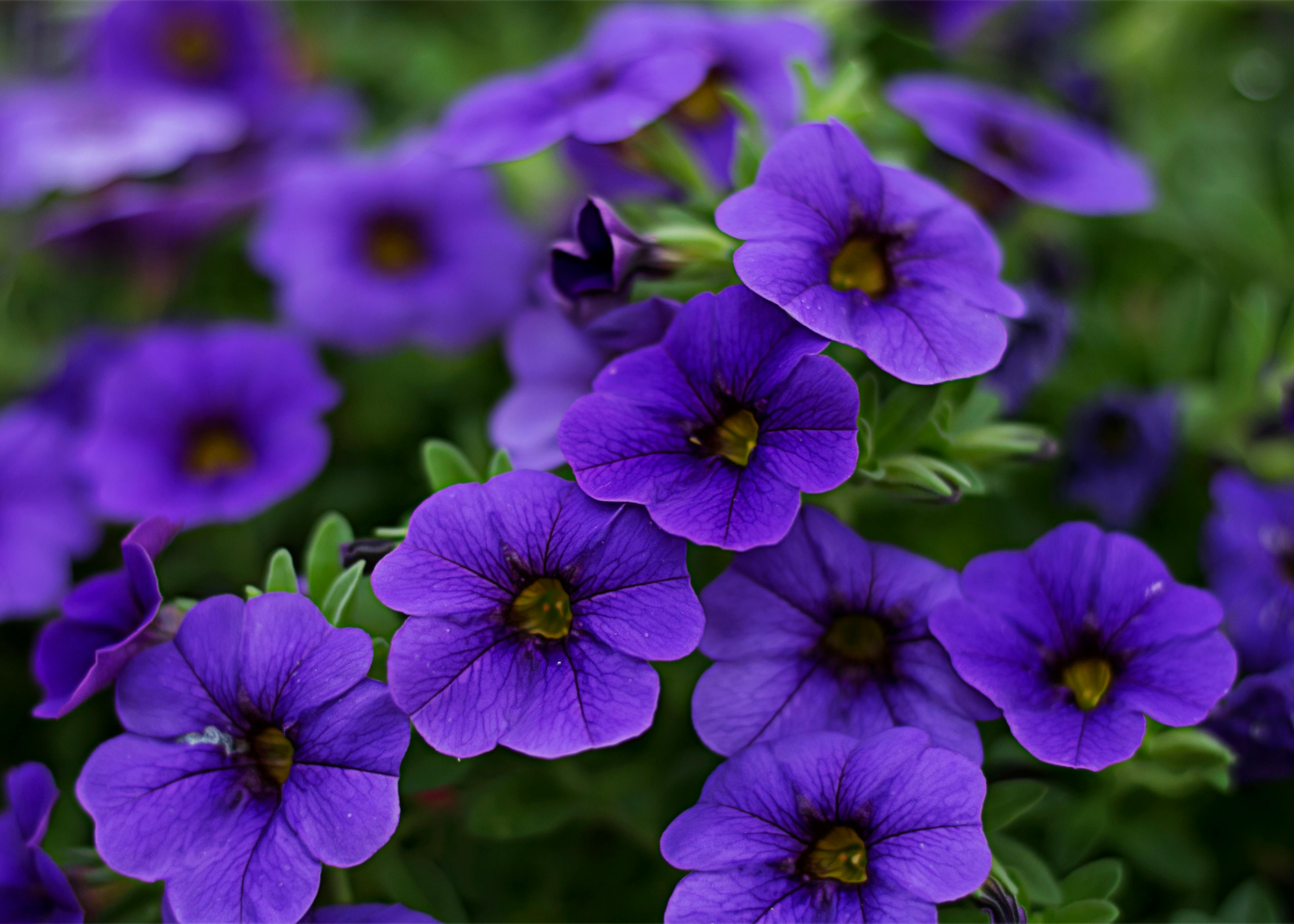


Petunia Seeds - Valentine (pelleted)
Item no
:
94596488454
US$ 23.38
Pay in 4 interest-free payments of $23.38 Learn more
Min. order:
1piece
Shipping Estimate
USAChange
- USA
- CAN
- USA
- CAN
Ships within 48 hours · Estimated delivery May 29 - Jun 3
Enjoy 20% off shipping
US$ 23.38

1-11
US$ 21.04
12-35
US$ 16.37
36-59
US$ 14.03
60+
US$
40
Get now
Sign up to your membership to get coupons up to
15
%
Get now
Opportunity to enjoy order discount up to 15% off
Please add the products
Shipping Notes
- Free Standard Shipping on $100+ Orders to the USA.
- Except Preorder products are shipped in 48 hours.
- Delivery to the USA:
- Standard Shipping : 3-10 business days
- If time is of the essence, please consider selecting expedited delivery for faster service.
Exchange/Return Notes
- We offer a 30-day return/exchange service after receiving.
- Final sale items are not eligible for returns or exchanges.
- To process your return/exchange, please contact us at [email protected]
- Please click here for more details>>>Return & Exchange Policy
Discover Niche Categories That Outsell
Top-Converting Item to Boost Your Average Order


recommand products
Similar items

Similar items

Similar items

Similar items

Similar items

Similar items
